Lake Zurich
A village around its lake, with two beaches and Main Street. Lake Zurich is named for the lake that sits entirely inside the village, and it began as a summer resort once Rand Road arrived in the 1920s.
To the Loop
32mi
Straight-line miles from downtown Lake Zurich.
Metra
0
No station in town.
County
Lake
About 7.3 square miles.
 ASG here
0
Homes we list here now.
Living here
Life in Lake Zurich.
Lake Zurich is named for the lake that sits entirely inside the village, and it began as a summer resort once Rand Road arrived in the 1920s. Paulus Park and Breezewald Park face each other across the water, and Main Street runs close to the water.
Paulus Park has a beach and sprayground, Breezewald Park has a second beach and a pavilion facing the sunset, and the lake is open for fishing and boating.
Near the lakeBig parksRestaurants
The homes
What you'll find.
Older cottages and homes near the lake and Main Street, ranches and two-story homes from the 1960s through the 1990s, lakefront homes, and townhome communities.
Single-family homesLakefront homesTownhomes
Getting around
How far is everything?
There is no Metra station in Lake Zurich itself. Rand Road (US 12) and Route 22 meet in the village. The nearest Metra station is Barrington on the Union Pacific Northwest line.
Straight-line miles. Tap one to draw it on the map. No train times; check Metra for schedules.
Places to know
Start here.
- Lake and riverLake ZurichThe lake the village is built around.
- ParksPaulus ParkA beach, sprayground and lawns on the lake.
- ParksBreezewald ParkA second beach and the Sunset Pavilion across the water.
- Food and drinkMain StreetRestaurants and shops near the lake, and the Alpine Fest each July.
- Arts and cultureEla Area Public LibraryThe public library serving the village and Ela Township.
For sale now
On the market in Lake Zurich.
Live from MRED through our home search. ASG listings open their own page; the rest open in our home search. Sources
In the news
What's being built and sold.
Recent real estate headlines from Google News, linked to the outlets that published them. Sources
Nearby
Around Lake Zurich.
Questions
Good to know.
What is Lake Zurich known for?
Lake Zurich is named for the lake that sits entirely inside the village, and it began as a summer resort once Rand Road arrived in the 1920s. Paulus Park and Breezewald Park face each other across the water, and Main Street runs close to the water.
What kind of homes are in Lake Zurich?
Older cottages and homes near the lake and Main Street, ranches and two-story homes from the 1960s through the 1990s, lakefront homes, and townhome communities.
How do you get to Chicago from Lake Zurich?
Lake Zurich is about 32 miles from the Loop as the crow flies. There is no Metra station in Lake Zurich itself. Rand Road (US 12) and Route 22 meet in the village. The nearest Metra station is Barrington on the Union Pacific Northwest line.
Which school districts serve Lake Zurich?
Most of Lake Zurich is served by Lake Zurich Community Unit School District 95. District lines do not always follow town lines, so check the district for any address. We do not rank schools; the Illinois Report Card has each school's own data, and we're happy to look one up with you. Open the Report Card.
What towns are near Lake Zurich?
The closest towns with our guides are Deer Park, Hawthorn Woods, Kildeer and Barrington.
Looking in Lake Zurich?
Let us show you around.
Our agents know Lake Zurich street by street. Tell us what you're after and we'll line up the homes, on the market and off it.
Sources
Written by our team from public sources. Places change; call ahead.
- Homes for sale
- Live MRED listings, distributed by MLS GRID.
- News
- Google News, linked to each outlet.
- Boundaries
- U.S. Census Bureau, TIGERweb
- Metra
- Metra. Distances are straight-line.
- Schools
- We don't rank schools: Illinois Report Card
Photo credits 1
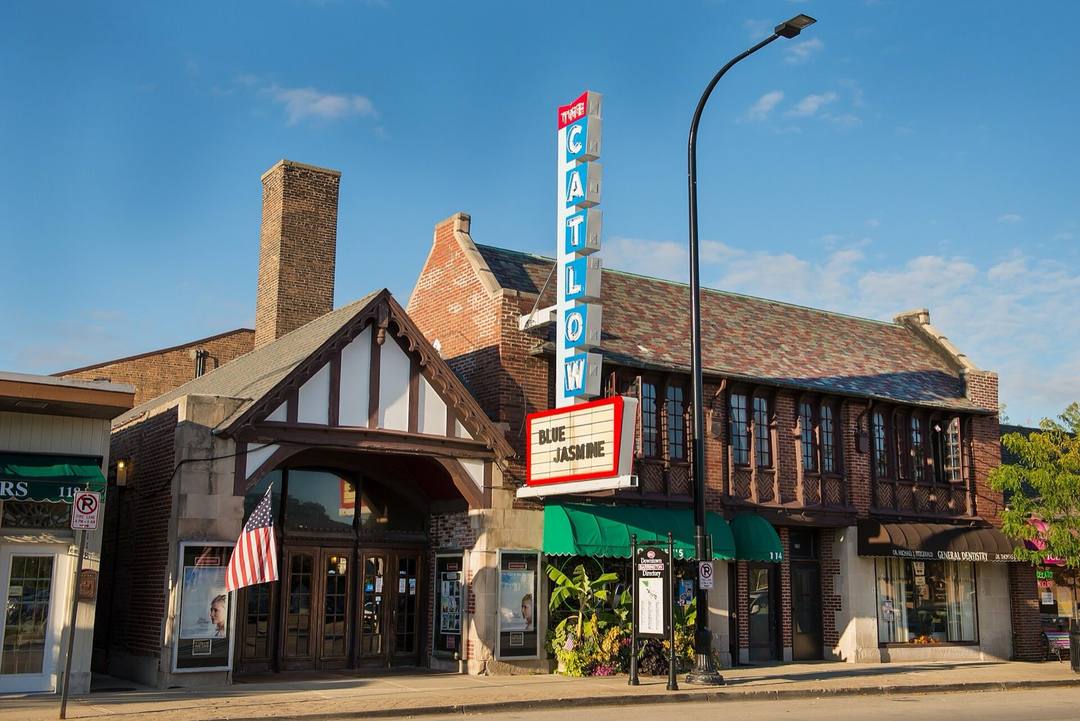
- Catlow Theater, Main Street EEHigginsPhotography, CC BY-SA 3.0
Photos from Wikimedia Commons, under the licenses shown.
Listings are deemed reliable but not guaranteed. We describe places, homes and transit, not the people who live there.